The Role of Light Tourism in Outdoor Sustainability
Light tourism is increasingly recognized as a sustainable approach to outdoor recreation, particularly in the context of the Czech Republic's beautiful landscapes. This article explores how light tourism contributes to environmental sustainability while providing enjoyable experiences for outdoor enthusiasts.
Understanding Light Tourism
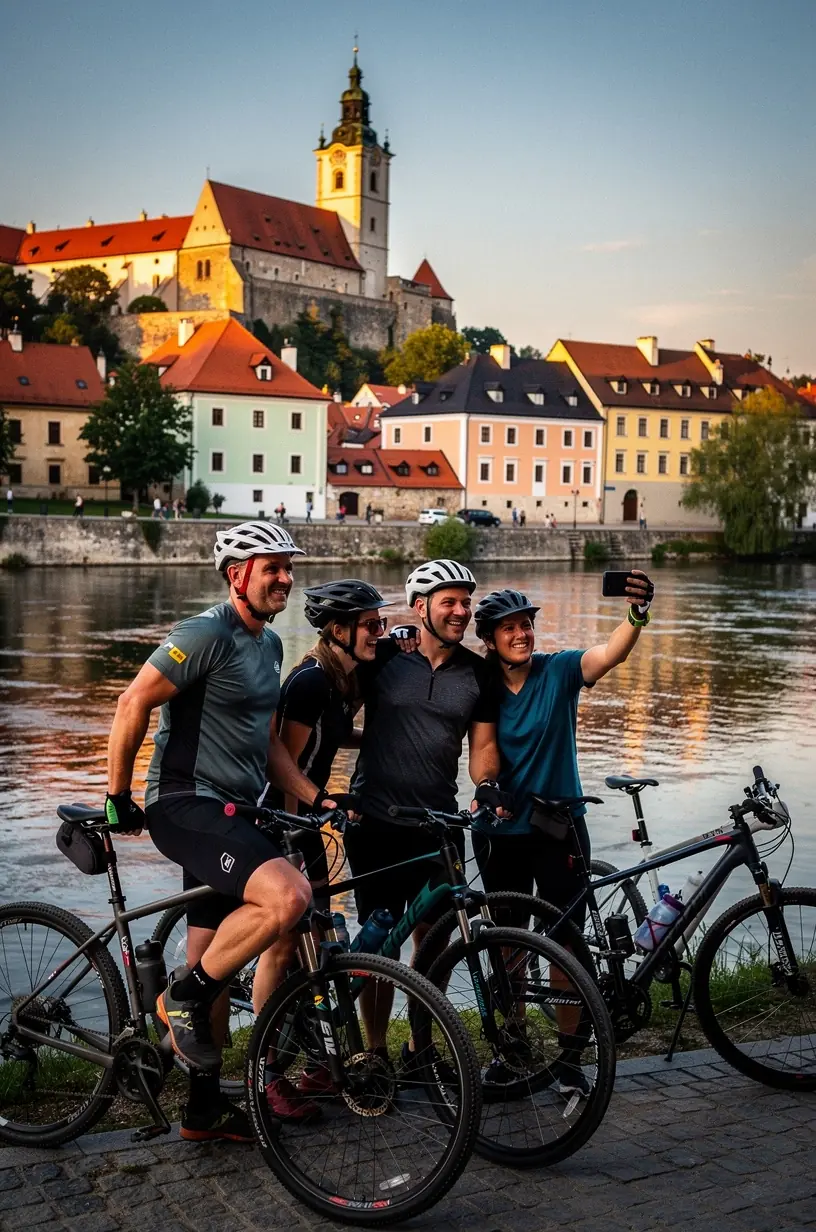
Light tourism, often defined as low-impact travel that emphasizes responsible exploration, has gained traction in recent years. According to research conducted by the World Tourism Organization, sustainable tourism practices can significantly reduce the ecological footprint of travelers. This form of tourism typically includes activities like walking, cycling, and visiting local parks, which require minimal infrastructure and promote the preservation of natural environments.
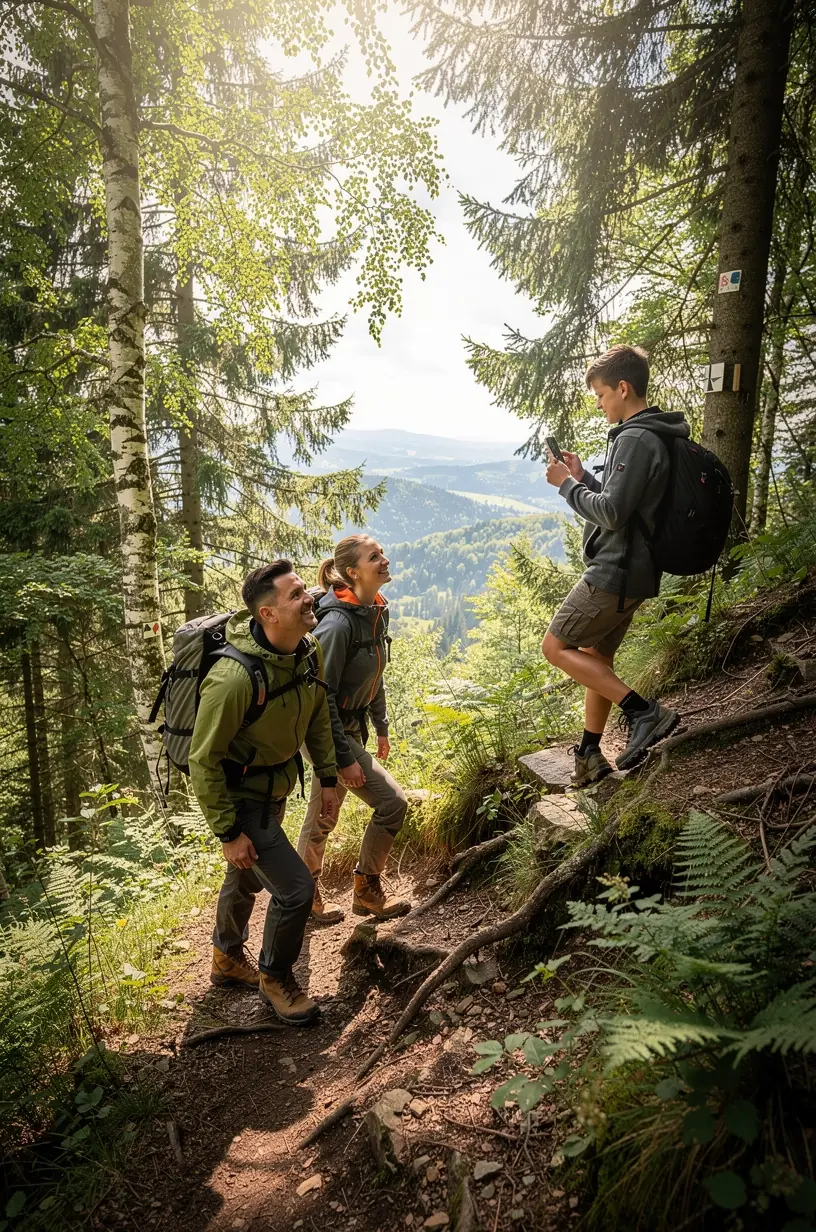
"Sustainable tourism practices contribute to conservation efforts and help protect the environment for future generations." - World Tourism Organization
The Environmental Benefits
Engaging in light tourism can foster a greater appreciation for nature and promote conservation efforts. Studies show that nature-based activities, such as hiking and cycling, encourage participants to engage with their surroundings responsibly. Here are some benefits associated with light tourism:
- Minimal Carbon Footprint: Activities like walking and cycling generate less pollution compared to motorized transport, helping to reduce the carbon footprint associated with travel.
- Support for Local Economies: Light tourism often involves local businesses, which can help sustain communities economically while fostering a sense of connection between tourists and residents.
- Conservation Awareness: Many users report that experiencing natural landscapes first-hand can lead to increased awareness and motivation to protect these environments.
Implementing Light Tourism Practices
While light tourism offers numerous benefits, it is essential to implement best practices to ensure sustainability. Here are some recommendations:
- Choose Eco-Friendly Transportation: When planning a light tourism trip, consider using local trains or buses to minimize emissions, or opt for cycling whenever possible.
- Respect Natural Areas: Follow established trails and adhere to guidelines set by park services to minimize the impact on ecosystems.
- Engage with Local Communities: Collaborate with local guides and attend community events to foster cultural exchange and ensure that tourism benefits the local population.
Challenges and Considerations
While light tourism promotes sustainability, it is not without challenges. For instance, many outdoor areas may become overcrowded, leading to potential harm to local ecosystems. Acknowledging these limitations is crucial:
- Light tourism requires time and effort to plan, typically involving research on local conditions and sustainable options.
- It may not be suitable for all travelers, especially those seeking high-adventure experiences or less physical activity.
- Participation in light tourism requires a commitment to responsible practices, which can involve learning about local customs and environmental regulations.
Conclusion
Light tourism represents a promising approach to outdoor sustainability in the Czech Republic and beyond. By embracing responsible practices, tourists can enjoy the beauty of nature while supporting conservation efforts and local economies. As the demand for sustainable travel options continues to grow, understanding the principles and implications of light tourism is essential for both travelers and communities alike.
Learn More