Understanding Seasonal Changes in Outdoor Activities
Outdoor activities are influenced significantly by seasonal changes, shaping not just the types of activities available but also the experiences associated with them. Understanding these variations can help individuals make informed choices about their outdoor pursuits throughout the year.
The Impact of Seasons on Outdoor Activities
Seasonal changes impact various aspects of outdoor activities, from weather conditions to the type of flora and fauna present. According to research, the seasons can alter the landscape significantly, which in turn influences the activities people choose to engage in.
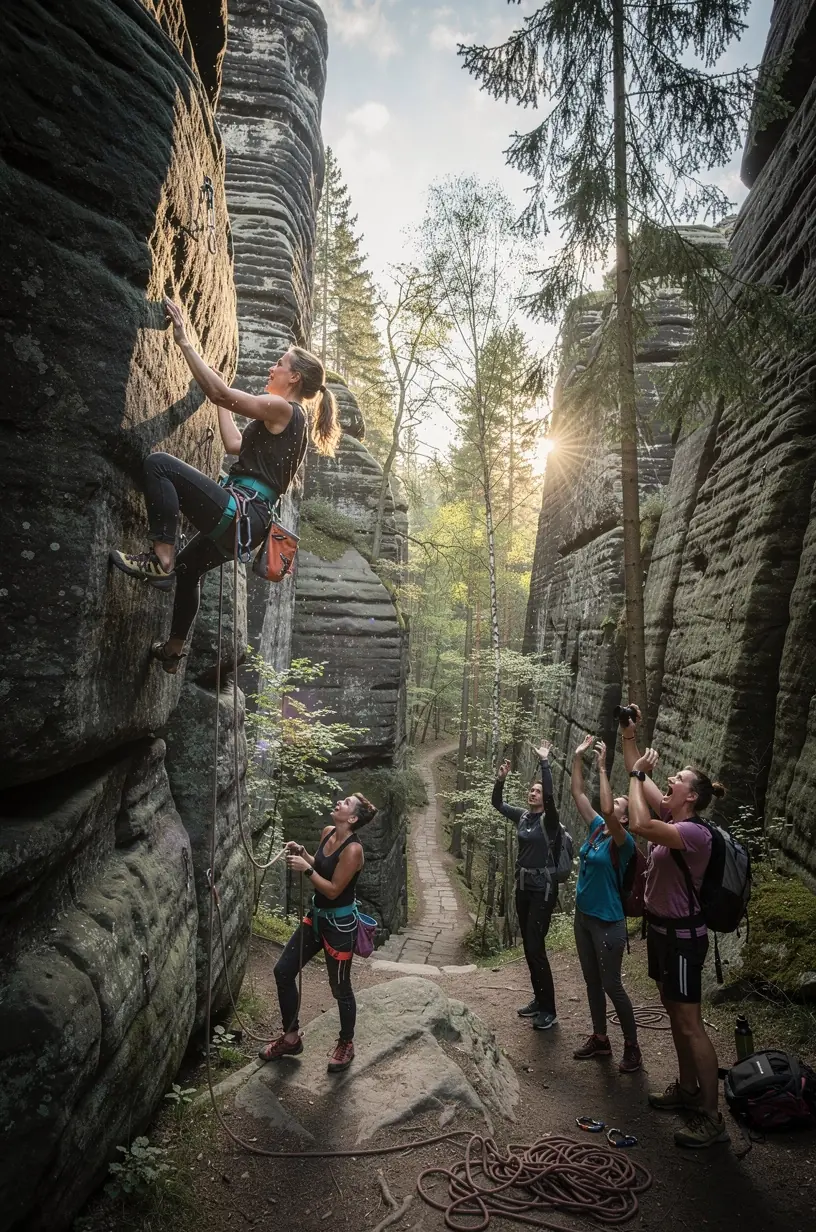
"Understanding the seasonal patterns in outdoor recreation can enhance safety and enjoyment while fostering a deeper connection with nature."
Spring: A Time for Renewal
Spring is typically associated with a burst of life, making it an ideal time for activities such as walking and light tourism. As temperatures rise, many users report that hiking trails become more accessible, and parks begin to bloom with colorful flowers. Experts recommend planning outdoor excursions in spring to take advantage of the mild weather.
Summer: Peak Outdoor Recreation
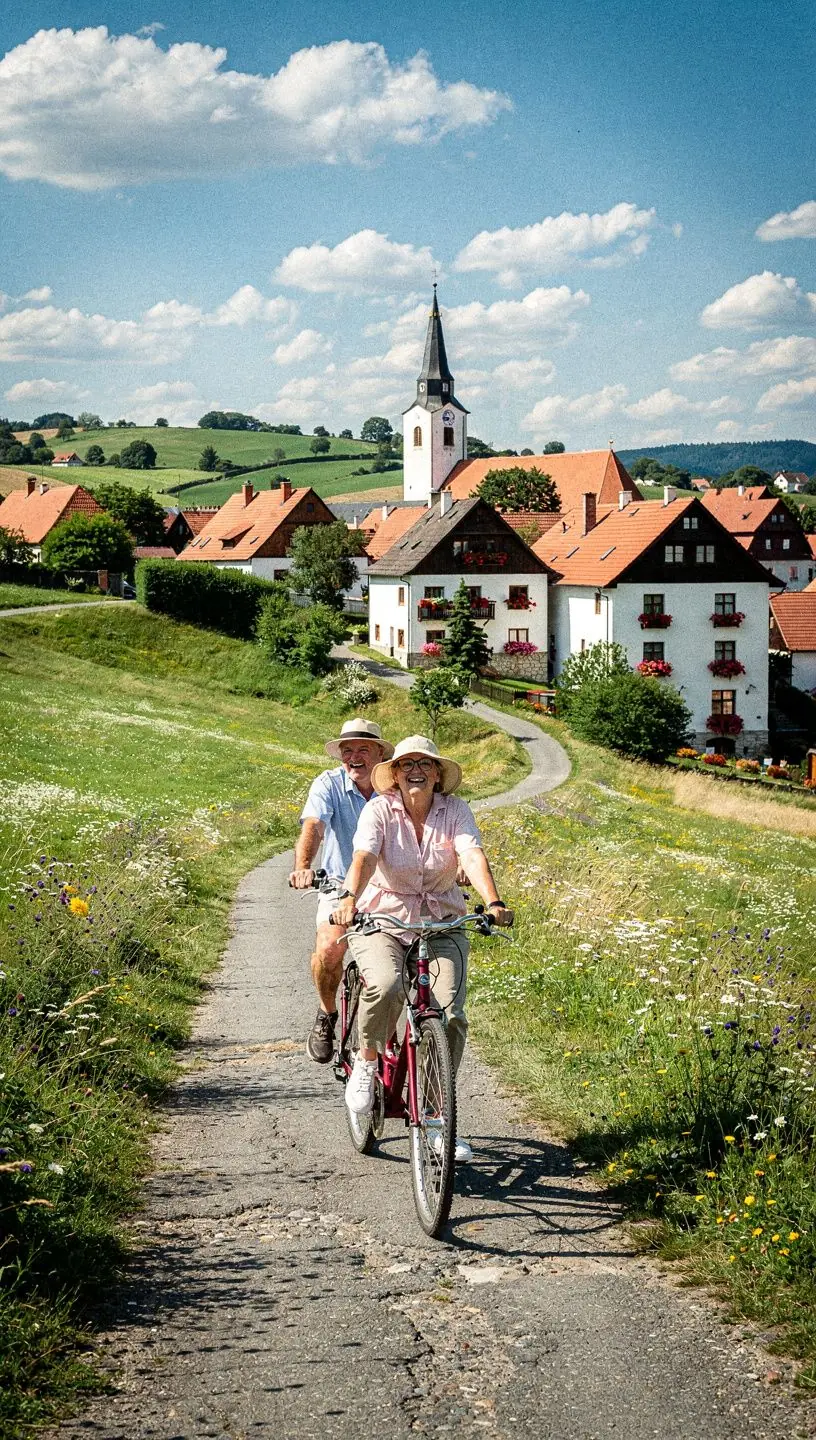
During the summer months, outdoor recreation reaches its peak. Activities like cycling, swimming, and camping are popular as people seek to take advantage of long daylight hours. However, it’s important to remain mindful of the heat. Studies show that adequate hydration and sun protection are crucial for safe outdoor activities in summer.
Autumn: A Changing Canvas
As the temperature cools in autumn, the landscape transforms into a tapestry of vibrant colors. This season is ideal for hiking and nature walks, with many advocating for leaf-peeping tours. Industry experts suggest that outdoor enthusiasts plan their activities around the peak foliage days to maximize their experience.
Winter: Embrace the Chill
Winter offers a unique set of opportunities for outdoor activities. While some may shy away due to colder temperatures, activities such as skiing, snowboarding, and winter hiking can be both exhilarating and rewarding. According to studies, engaging in winter sports can also contribute to physical well-being, provided users are properly equipped and prepared for the conditions.
Planning Your Outdoor Adventures
When planning outdoor activities, considering the seasonal changes is essential. Here are some practical tips:
- Research local parks and routes: Many areas offer seasonal programming, which can enhance your experience.
- Be mindful of conditions: Weather can change rapidly; planning for contingencies can make your adventure safer.
- Engage with local communities: Many outdoor groups share insights on the best times to experience trails and parks.
Conclusion
Understanding seasonal changes is crucial for maximizing enjoyment and safety in outdoor activities. By being aware of how the seasons impact the environment and available activities, individuals can make informed decisions that enhance their outdoor experiences throughout the year. Whether you’re planning a spring hike or a winter ski trip, recognizing these patterns will undoubtedly enrich your adventure.