How Parks Contribute to Urban Wellbeing
Parks play a crucial role in enhancing the wellbeing of urban residents. This article explores how green spaces contribute to mental health, physical fitness, and community cohesion.
Understanding the Importance of Parks
Parks are more than just scenic areas; they are essential for urban living. According to research conducted by the World Health Organization, access to green spaces can lead to improved mental health outcomes for city dwellers. This improvement often results from reduced stress and increased opportunities for physical activity.
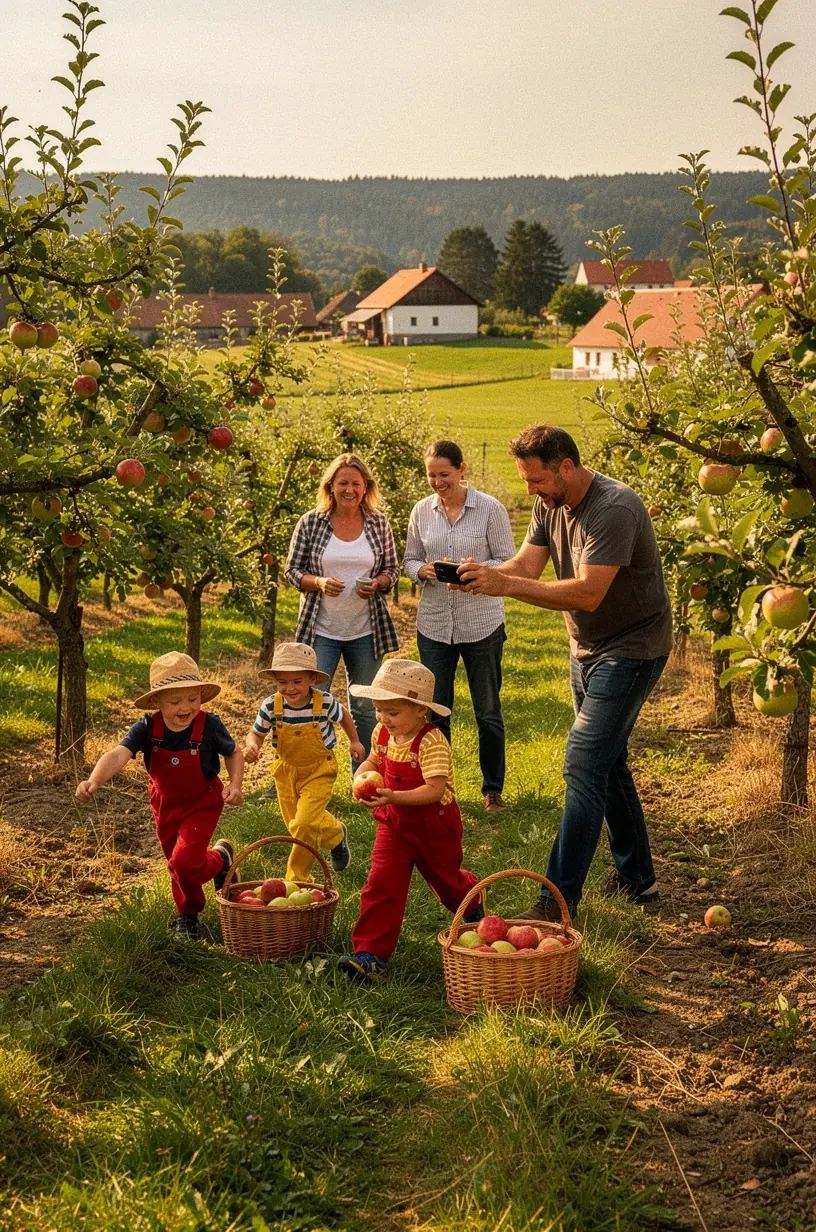
"Research indicates that urban parks can reduce stress levels by providing a natural environment that promotes relaxation."
Physical Health Benefits
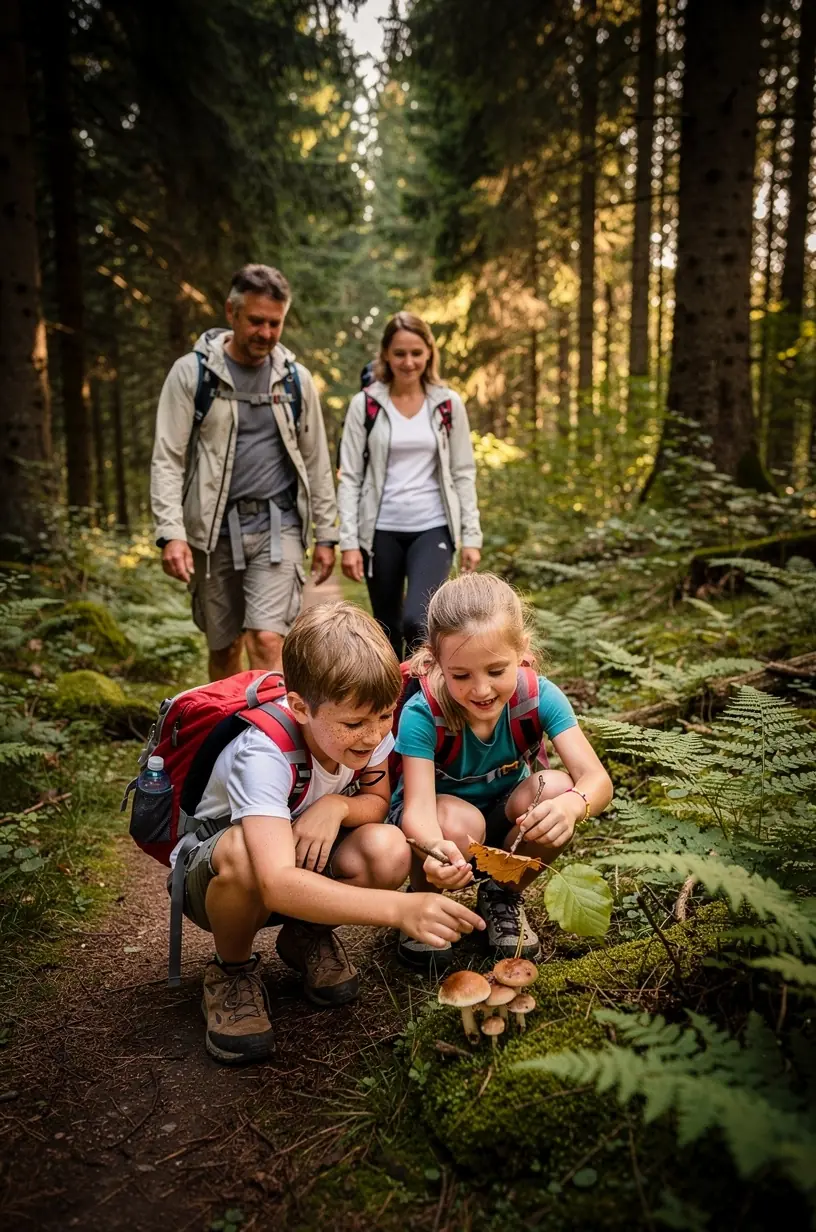
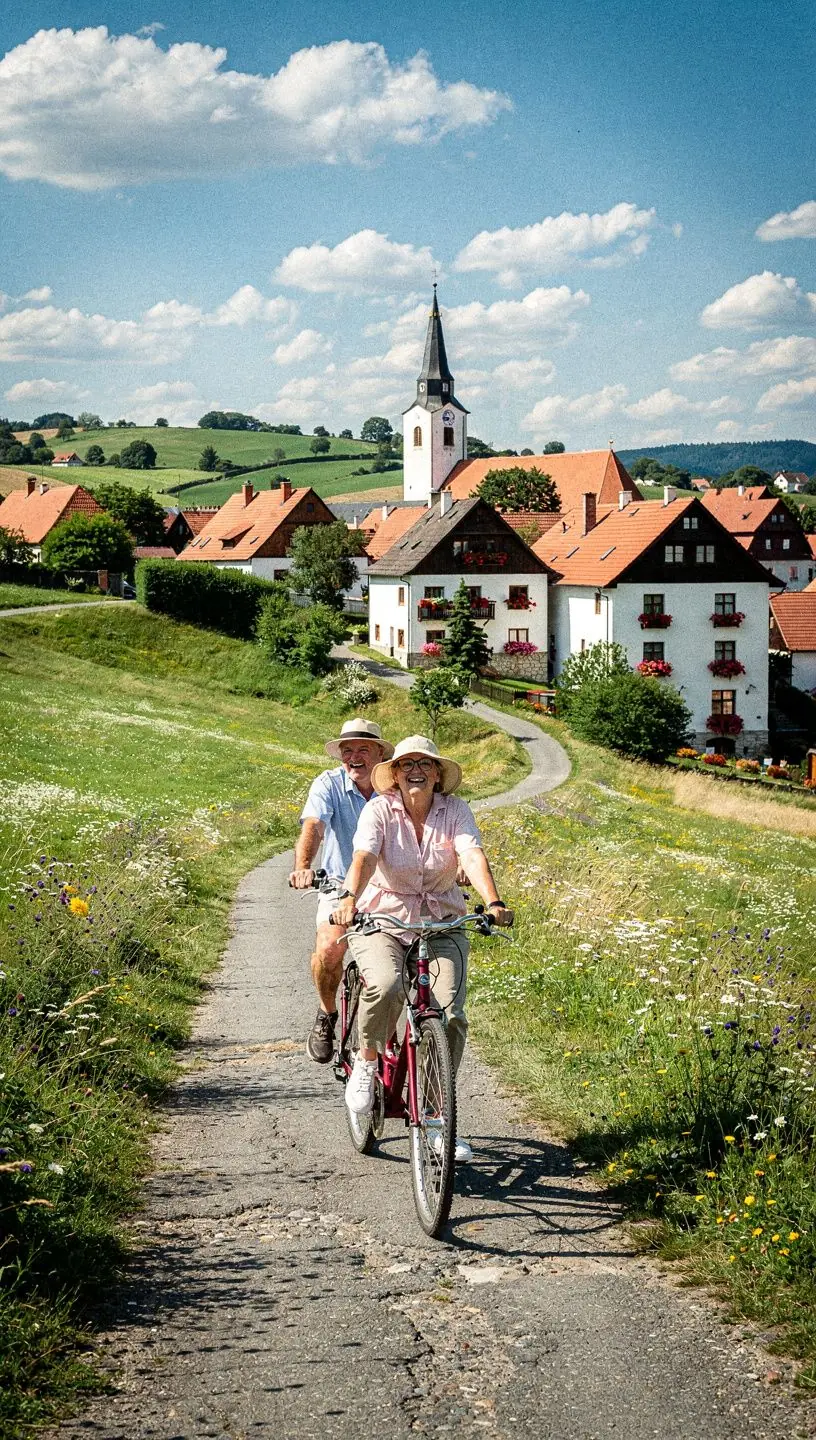
Engaging in outdoor activities, such as walking or cycling in parks, has profound health benefits. Studies show that individuals who regularly utilize parks for physical activities report higher fitness levels and lower rates of chronic diseases. For instance, a study published in the American Journal of Preventive Medicine found that urban residents living near parks exercise more frequently.
Common Outdoor Activities
- Walking: A simple but effective way to improve cardiovascular health.
- Cycling: Often encouraged by park trails, cycling can increase fitness and reduce pollution.
- Group Activities: Many parks offer classes or community events that foster social interaction.
Mental Health and Wellbeing
Access to parks is linked to better mental health. Engaging with nature can elevate mood and reduce feelings of anxiety and depression. According to experts, spending time in nature can lead to a refreshing reset, particularly for those living in dense urban environments where green space is scarce.
How Parks Promote Mental Wellbeing
- Natural Beauty: Enjoying aesthetically pleasing environments has been shown to boost mood.
- Connection with Nature: Many users report that spending time in natural settings enhances their sense of peace.
- Social Interaction: Parks often serve as community hubs, promoting social ties and reducing loneliness.
Community Cohesion and Engagement
Parks are not just for individuals; they also foster community engagement. Hosting events such as farmers' markets, concerts, and sports leagues helps build social networks. According to the National Recreation and Park Association, communities with well-maintained parks tend to have more cohesive social structures.
Conclusion
In conclusion, parks serve as vital components of urban environments, contributing significantly to both physical and mental wellbeing. Accessing these green spaces typically requires minimal effort, yet the benefits can be profound. Individuals are encouraged to explore local parks and engage in outdoor activities, as these experiences can enhance their overall quality of life.