The Importance of Outdoor Recreation for Mental Health
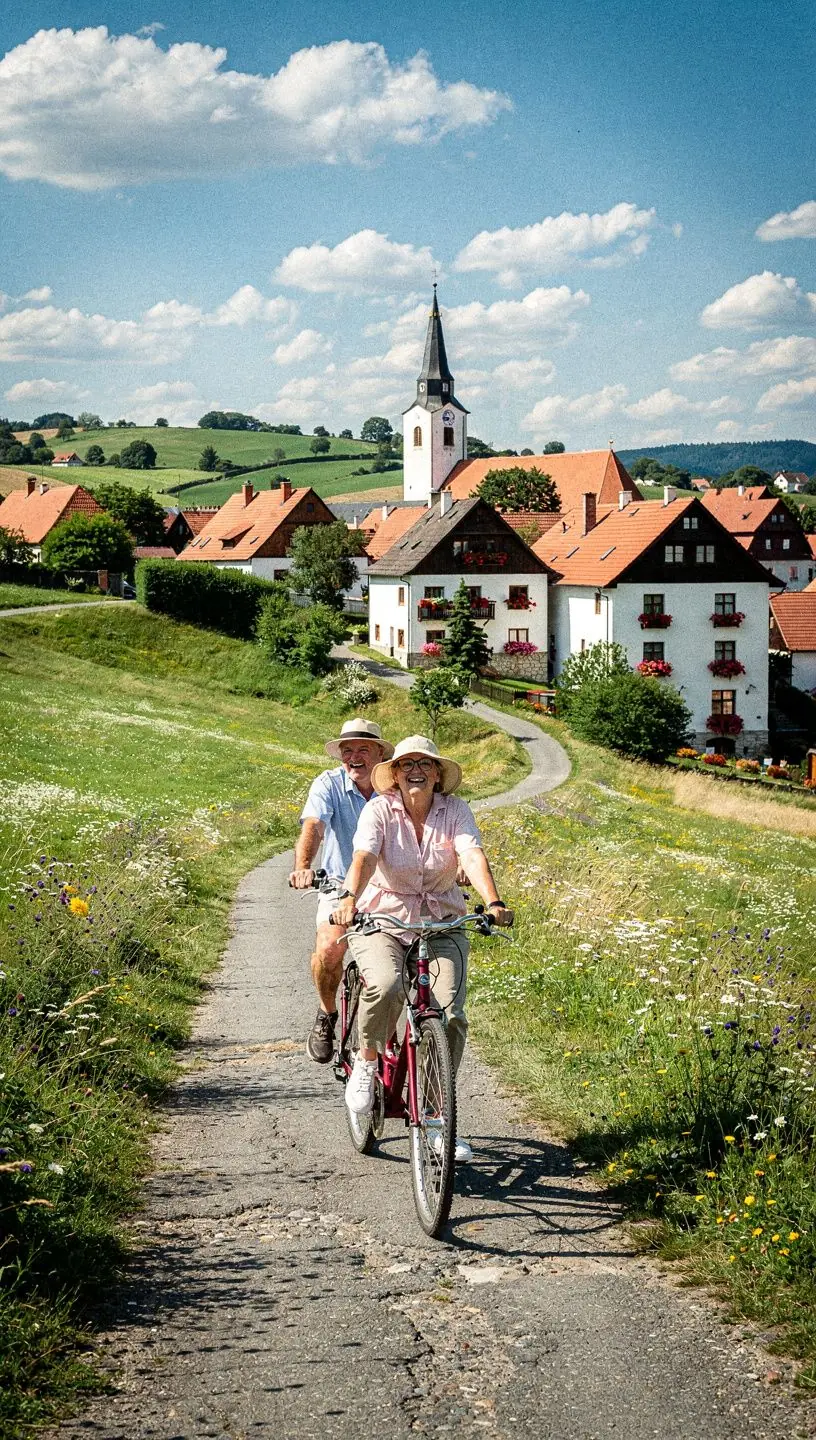
Engaging in outdoor recreation activities, such as walking, cycling, and exploring parks, not only enhances physical well-being but also plays a significant role in improving mental health. This article delves into the evidence-based benefits of outdoor activities and how they contribute to a healthier mind.
Understanding the Connection Between Nature and Mental Health
Research indicates that spending time in nature can lead to improved mental health outcomes. According to a study published in Environmental Science & Technology, participants who spent time in natural settings reported lower levels of perceived stress and negative emotions. This is often attributed to the calming effects of green spaces, which can enhance mood and reduce anxiety.
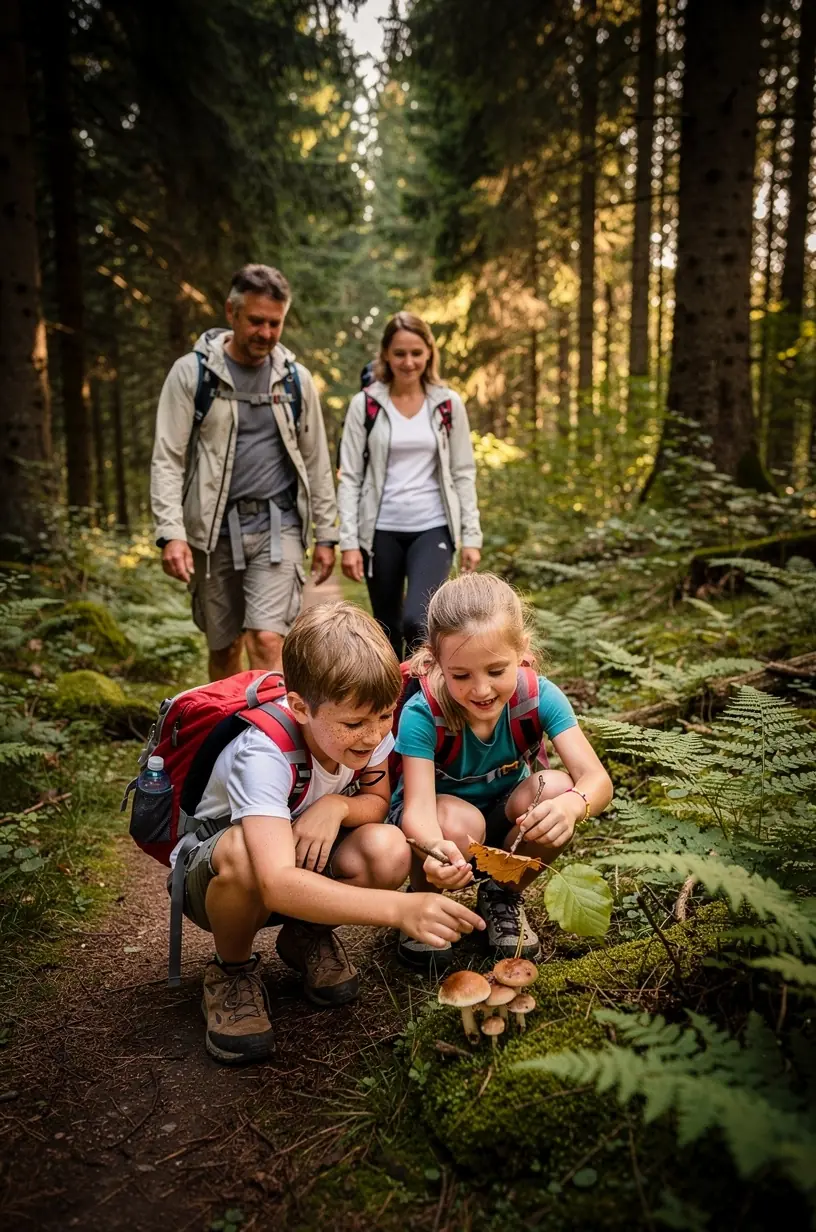
"Nature-based activities provide a reliable means of promoting mental well-being, as they are linked to reduced anxiety and depression rates." - Mental Health Experts
The Benefits of Outdoor Activities
Outdoor recreation can offer several mental health advantages:
- Stress Reduction: Engaging in activities like walking or cycling can trigger the release of endorphins, often referred to as "feel-good" hormones, which may alleviate stress.
- Improved Mood: Studies show that physical activities performed outdoors can lead to significant improvements in mood. A consistent routine of outdoor exercise has been linked to lower levels of depression.
- Enhanced Focus: Spending time in natural environments can improve cognitive functions. Research has indicated that people who engage in outdoor activities often experience increased attention spans and creativity.
How to Incorporate Outdoor Recreation into Daily Life
Integrating outdoor activities into your routine requires a realistic approach. Here are some practical suggestions:
- Start Small: If you are new to outdoor activities, begin with short walks in nearby parks. Gradually increase the duration and complexity of your outings.
- Set Realistic Goals: Aim for at least 150 minutes of moderate aerobic activity weekly, as recommended by health experts. This can include cycling or hiking.
- Connect with Others: Join local walking or cycling groups. Social interactions during outdoor recreation can further enhance mental well-being.
Conclusion
Incorporating outdoor recreation into your life can be a valuable strategy for enhancing mental health. While results may vary based on individual circumstances, many users report noticeable benefits within a few weeks of regular participation. As research continues to support the connection between nature and mental well-being, it becomes increasingly clear that spending time outdoors is not just beneficial; it is a practical approach to fostering a healthier mind.
Learn More